

Are you waking up feeling sluggish, even after you think you’ve had a good night’s sleep? Turns out, it’s not your nighttime routine to blame, but it might actually be the light you’re exposing yourself to long before your head hits the pillow.
In This Blog, We’ll Explore…
→ A quick history of how electric light disrupted natural sleep rhythms
→ The science of brightness, spectrum, and timing
→ Practical ways to make your home’s lighting support your sleep
→ Which LED features to look for so your bulbs help, not hurt, your rest
How Electric Light Changed The Night
For most of human history, daylight set the rhythm of our days. As the sun rose, our bodies became alert and active. As evening approached, darkness signaled the brain to release melatonin, preparing us to wind down and rest.
Then electric light came to be.
First there were warm incandescents, then later fluorescents evolved along with bright, blue-rich LEDs which started allowing us to “extend daytime” late into the night.
Research now reveals that evening exposure to bright, cool-white light suppresses melatonin and delays the body’s circadian timing, making it harder to fall asleep and wake feeling restored. As the National Institutes of Health explains, light is the master cue that regulates the sleep-wake cycle.

Blue-heavy lighting in the evening can disrupt your body’s natural sleep signals.

Swap screens and bright lights for a book under warm, dim lighting to support restful sleep.
Real Reasons Why You’re Not Feeling Rested
Spectrum
Cooler, “daylight” tones (5000 – 6500K) are rich in short-wavelength “blue” light that signals alertness. That’s great at 10 a.m., not at 10 p.m. Harvard Health notes blue-heavy light in the evening suppresses melatonin more than warmer light, delaying sleep.
Harvard Health
Brightness
Even warm light can shift your body’s clock later if it’s bright enough, especially in the last 2–3 hours before bed. The CDC’s sleep guidance emphasizes dimming lights towards the evening and brightening them in the morning to reinforce healthy sleep cues.
CDC – Sleep Hygiene
Timing and Exposure
The circadian system is most sensitive to morning bright light, which advances your clock, and evening bright or blue light, which delays it. Consistent daily timing keeps the rhythm of your clock in sync.
Screens and Spillover
Phones, tablets, and TVs add blue-rich light on top of room lighting. Night mode helps a bit, but total exposure in terms of how bright, close, and long, all still matter. American Academy of Sleep Medicine
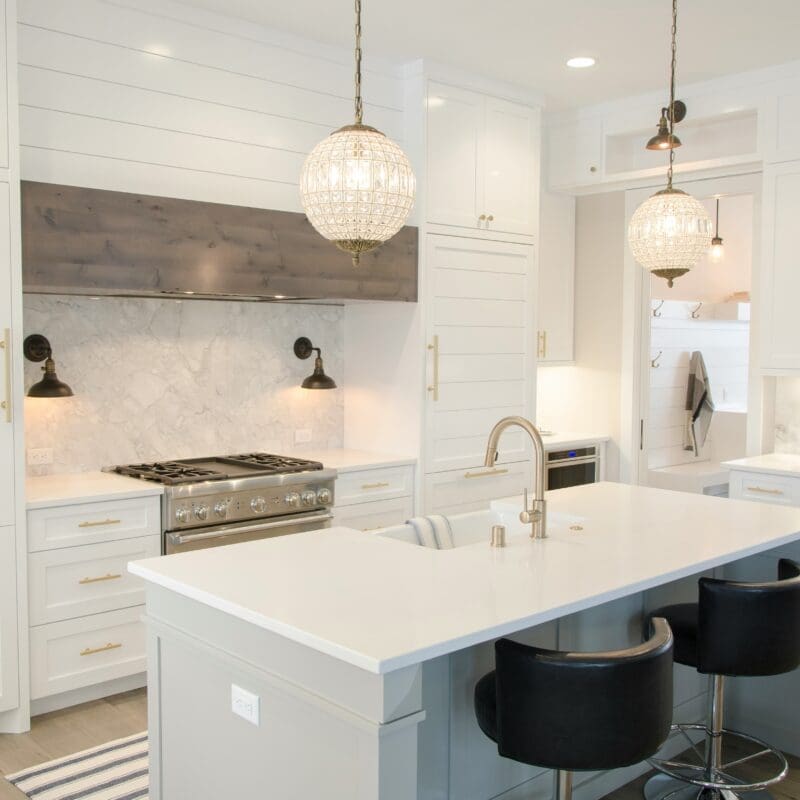
Bright morning light sets your internal clock, telling your body it’s time to wake up and get energized.

Cooler light supports daytime focus, keeping you alert and productive.

Warm, dim evenings signal your body that it’s time to rest helping you slowly unwind.
5-Step Practical Plan For Better Sleep
1. Brighten Your Morning & Midday
Begin your day with daylight or bright, high-CRI LEDs to help your body wake up and stay focused. Use neutral to cool light (3500–5000K) in spaces where being alert matters.
2. Warm Up to Wind Down
Two to three hours before bed, switch to warm light (≤3000K) in living areas and bedrooms to signal your body that it’s time to wind down.
3. Dim the Evening
Lowering intensity is as important as warming the color. Pair dimmable LEDs with LED-rated dimmers to avoid flicker and buzzing while you dial down levels smoothly.
4. Layer Your Lighting
Use a warm table lamp for evening ambience and keep bright task lights off when you don’t need them. In bedrooms, add low-level night lights that are warm and or amber so you can still navigate without harsh light on your eyes.
5. Tame Screens & Choose the Right LEDs
Enable “night shift” or “comfort-view” on devices and reduce brightness or stay away from them and try reading a book under warm light. For bulbs, choose 2700–3000K, high-CRI (90+), dimmable LEDs from trusted brands like EmeryAllen to keep evening light calm and consistent.
For general lighting best practices, the U.S. Department of Energy’s consumer guidance is a solid reference when comparing bulb specs.
U.S. DOE – Energy Saver
Better Rest Begins Now
Electric light allows for flexible evenings, but it must be used wisely. Keep your days bright, make evenings warm and dim, and reduce blue-heavy exposure before bed.
Choosing warm (≤3000K), high-CRI, dimmable lighting makes it easier to support your body’s natural rhythm. A dim-to-warm bulb, like the EmeryAllen A19 7.0W DTW, automatically shifts to a softer, warmer glow as you dim it. When using EmeryAllen bulbs you’ll ensure you have smooth transitions from day to night to support your sleep.
Small lighting changes can lead to deeper sleep, easier mornings, and better days.
